AC Tune-Up Services in Cape Coral: What’s Included and Why It Matters
Estimated reading time: 10 minutes
Key Takeaways
- Preventive Maintenance: Regular AC tune-ups in Cape Coral prevent unexpected breakdowns, ensuring your home remains cool during the hot and humid seasons.
- Comprehensive Inspections: A complete tune-up includes checks of refrigerant levels, electrical systems, airflow, coils, drains, and more to maintain system efficiency and longevity.
- Local Environmental Factors: Coastal conditions like salt air and high humidity in Cape Coral necessitate specialized maintenance to combat corrosion and mold.
- Cost Savings: Regular maintenance reduces energy bills, minimizes emergency repair costs, and extends the lifespan of your AC system.
- Choosing the Right Technician: Selecting a licensed, insured local technician who follows manufacturer guidelines ensures effective and reliable service.
Table of Contents
- Introduction
- Why this matters right now
- What an AC tune-up in Cape Coral includes — the full checklist
- Visual inspection of the whole system
- Refrigerant level check and leak inspection
- Electrical system inspection
- Air filter and airflow checks
- Coil cleaning and inspection
- Drain line and pan cleaning
- Thermostat calibration and controls check
- Performance test
- Safety checks and recommendations
- Written report and estimate
- Why each item matters (simple, direct)
- Local conditions that make tune-ups critical in Cape Coral
- Regulatory context — what affects your tune-up
- Technicians who follow manufacturer guidance
- Who offers tune-ups in Cape Coral?
- How often should you get a tune-up?
- How tune-ups save you money — real ROI logic
- Common problems found in Cape Coral tune-ups (what techs usually fix)
- What a good AC company will do differently
- Questions to ask before you pay for a tune-up
- Typical pricing and time expectations
- Red flags — when to hang up and call someone else
- Manufacturer maintenance tips you can do yourself (weekly/monthly)
- Local benefits of hiring a Cape Coral-based provider
- Case study-style snapshot (what actually happens during a tune-up)
- Myth-busting — fast answers
- Final checklist for homeowners — what to expect and demand
- Open questions and next steps
- Conclusion — act like it matters
Introduction
If you live in Cape Coral, you need this sentence: AC tune-up services in Cape Coral keep your house cool, lower your bills, and stop surprise breakdowns. Say it again. AC tune-ups matter. This post breaks down exactly what a tune-up is, what technicians check, why it matters in Cape Coral’s hot, humid climate, and how to pick the right tech. We’ll use real research, real rules, and real advice you can act on today.
Why this matters right now
Cape Coral is hot and humid for much of the year. Air conditioners run a long time. That means parts wear faster. Dirt builds up. Refrigerant can leak. If your system fails on the hottest day, you don’t just sweat — you lose sleep, food, and sometimes safety. Regular tune-ups prevent that. They save money. They make your home healthier. They lengthen the life of your system. This is not optional. It’s smart.
What an AC tune-up in Cape Coral includes — the full checklist
Good techs run a full checklist. Do not settle for “we looked at it.” Here’s the checklist every homeowner should expect. These items are based on HVAC best practices and local service offerings from Cape Coral providers.
1) Visual inspection of the whole system
- Check the outdoor unit (condenser): look for corrosion, debris, and damaged fins.
- Check the indoor unit (air handler/evaporator): inspect for leaks, rust, and drainage issues.
- Inspect duct connections and visible ductwork for gaps or loose joints.
2) Refrigerant level check and leak inspection
3) Electrical system inspection
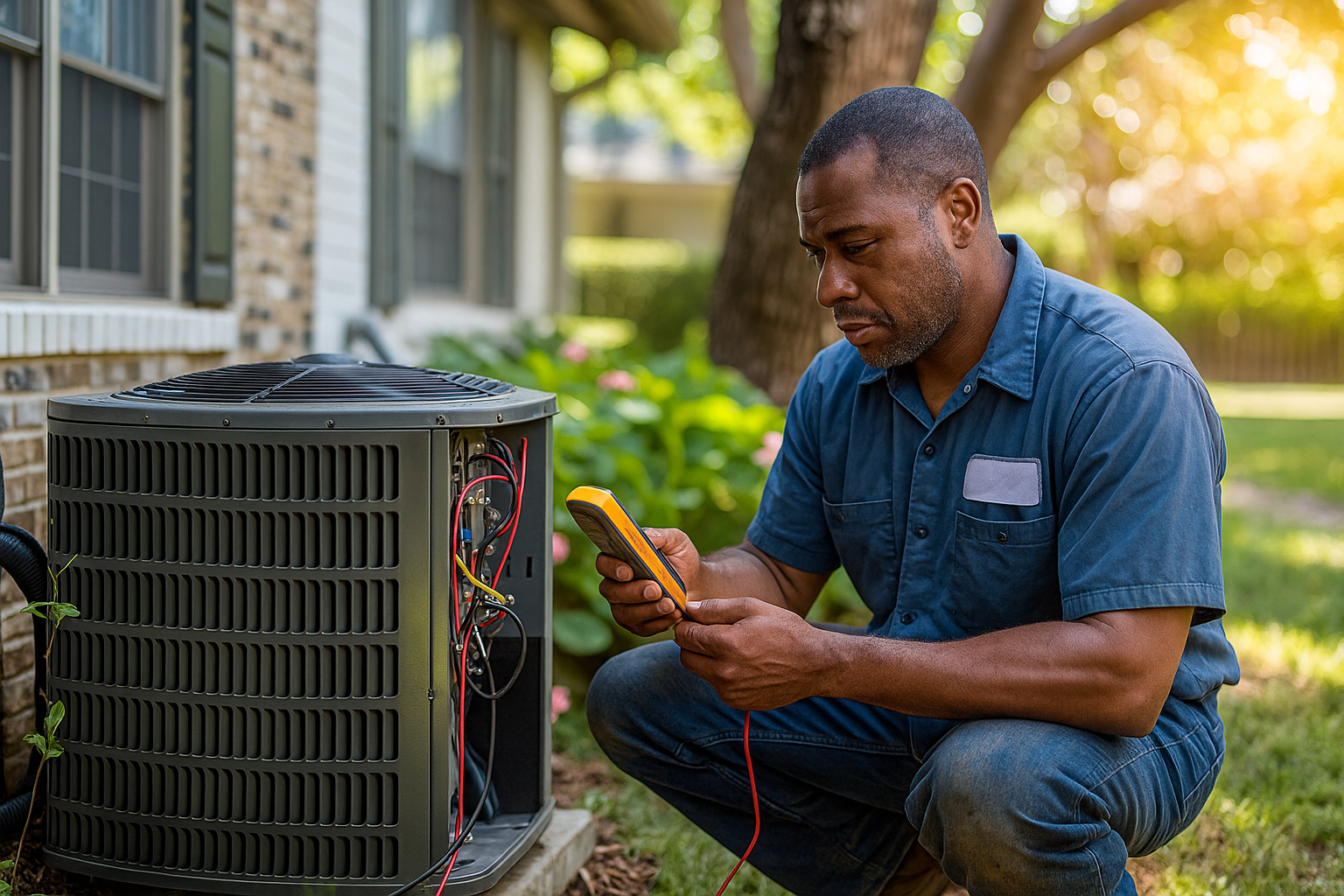
- Test capacitors, contactors, relays, and wiring for wear or heat damage.
- Measure voltages and currents to ensure the compressor and blower motors run safely.
- Tighten loose connections to stop arcing and failures.
4) Air filter and airflow checks
- Inspect, clean, or replace air filters.
- Measure static pressure and airflow if needed.
- Clean blower wheel and check belt condition where applicable.
5) Coil cleaning and inspection
6) Drain line and pan cleaning
- Clear condensate drain lines to prevent clogs and mold.
- Inspect drain pan for rust and standing water.
7) Thermostat calibration and controls check
- Confirm thermostat accuracy and proper communication with the system.
- Verify system cycles and safety controls operate correctly.
- Run the system and measure supply and return temperatures.
- Calculate delta-T (temperature drop) to evaluate system health.
- Listen for abnormal noises and check for vibration.
9) Safety checks and recommendations
- Check carbon monoxide risk if the home has gas appliances near the system.
- Recommend repairs that affect safety or efficiency.
10) Written report and estimate
- A good tech leaves a clear report: what was done, what was found, and what to fix next.
- They should list parts, labor, and reasons for recommended fixes.
Why each item matters (simple, direct)
- Refrigerant checks: Low refrigerant = poor cooling + more run time = higher bills. If there’s a leak, it will get worse.
- Electrical checks: Loose wires or bad capacitors cause sudden failures and can burn out parts fast.
- Coil and airflow cleaning: Dirty coils and clogged filters make the system work harder. That shortens life and raises bills.
- Drain cleaning: A clogged drain leads to water damage and mold. It’s cheap to fix. It’s expensive if ignored.
- Written report: If you don’t know what’s wrong, you can’t plan or budget.
Local conditions that make tune-ups critical in Cape Coral
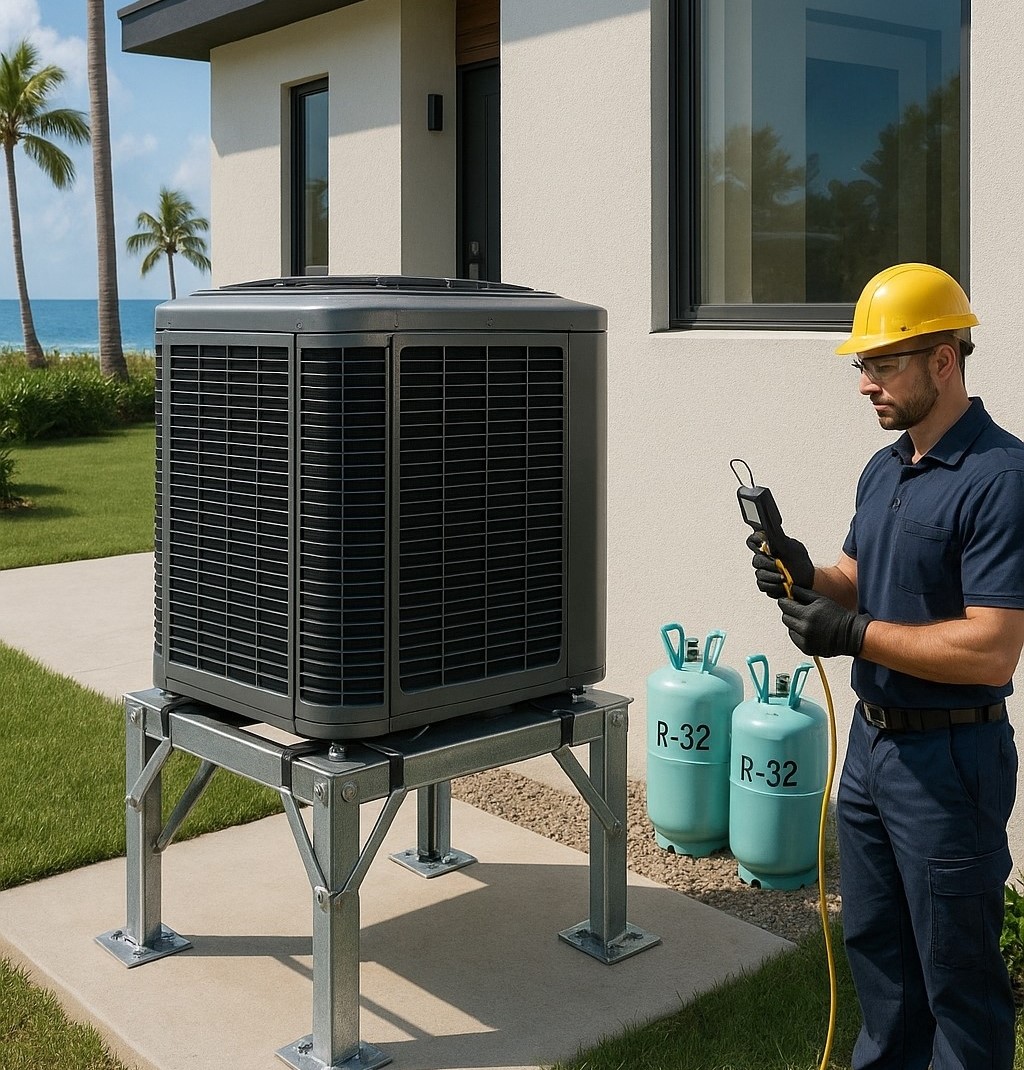
Cape Coral is coastal. Salt air corrodes metal. Humidity causes mold and clogs. Systems run longer than in cooler places. Local providers adapt their services for these facts. That means:
- Extra attention to corrosion on outdoor units.
- Frequent checks of drain lines and pans for mold.
- Faster response time during summer peaks because failure risk spikes.
Regulatory context — what affects your tune-up
There aren’t Cape Coral-only tune-up laws. But two layers of rules guide HVAC work in Florida and nationwide:
- Florida Building Code: It requires energy-efficient HVAC practices in installations and influences maintenance expectations. See Florida Building Commission for code info: https://floridabuilding.org/
- U.S. Department of Energy standards: Federal efficiency rules affect new equipment and set minimums technicians and homeowners should be aware of: https://www.energy.gov/
Technicians who follow manufacturer guidance
Major manufacturers — Carrier, Trane, Lennox — publish maintenance advice. Common OEM guidance includes cleaning filters and coils, checking refrigerant, and inspecting electrical components. If a tech follows OEM recommendations, the system will last longer and run more efficiently. Always ask the tech if they follow the manufacturer maintenance checklist for your unit brand.
Who offers tune-ups in Cape Coral?
Local companies like Non-Stop Air Conditioning, Next Plumbing, Gulf Shore Cooling, and Ellsworth Heating & Cooling are active in the area. They compete on price, speed, and experience. When choosing, compare:
- Is the tech licensed and insured?
- Do they offer written inspection reports?
- Do they have good reviews for prompt service during summers?
How often should you get a tune-up?
- Minimum: once per year for most systems.
- Best practice: twice a year for homes with heavy AC use, older systems, or those near the coast.
Spring is ideal — tune before the heavy cooling season. If you wait until summer, techs are booked and failures cost more.
How tune-ups save you money — real ROI logic
- Lower energy bills: A clean, tuned system runs more efficiently. Small efficiency gains over months add up.
- Fewer emergency repairs: Catching a failing capacitor or a refrigerant leak early costs much less than replacing a compressor or dealing with a full system failure.
- Extended equipment life: Regular maintenance can add years to your system. That delays a big capital expense.
- Better resale value: A well-documented maintenance history helps when you sell your home.
Common problems found in Cape Coral tune-ups (what techs usually fix)
What a good AC company will do differently
- Use a clear, itemized tune-up checklist.
- Provide a written report with photos when relevant.
- Offer seasonal plans with discounts and priority scheduling.
- Use OEM-approved parts and practices.
- Explain ROI for any suggested repairs.
Questions to ask before you pay for a tune-up
- Do you follow a written checklist? Ask them to show it.
- Will you test refrigerant pressures and airflow?
- Do you provide a written report and recommendations?
- Are you licensed, insured, and trained on my brand of equipment?
- Do you offer a maintenance plan or priority service during summer?
Typical pricing and time expectations
Prices vary. Expect a basic tune-up to take 45–90 minutes. Cost depends on inclusions and company reputation. Many tune-ups in Florida range from an affordable basic inspection to a more thorough multi-point service. Ask for a price breakdown before service.
Red flags — when to hang up and call someone else
- Tech won’t inspect refrigerant or electrical systems.
- Tech pressures you into expensive repairs without proof.
- No written report or test results offered.
- The company has poor or no local reviews.
Manufacturer maintenance tips you can do yourself (weekly/monthly)
- Check and replace air filters every 1–3 months.
- Keep the outdoor unit clear of debris, grass, and plants.
- Ensure the thermostat is working and set correctly.
- Watch for unusual noises or sudden drops in cooling.
Local benefits of hiring a Cape Coral-based provider
- Faster response times during Florida heat waves.
- Technicians experienced with local corrosion and humidity issues.
- Knowledge of local installation practices and building needs.
- Local businesses often offer seasonal maintenance plans tailored to Cape Coral.
Case study-style snapshot (what actually happens during a tune-up)
You call. They arrive. The tech walks the property and inspects both outdoor and indoor units. They run the system and take temperatures and pressures. They replace the filter, clean coils where safe, clear the drain, tighten electrical connections, and test capacitors. They show you the photographed corrosion and offer a repair cost. You get a written report with priorities: safety, efficiency, and comfort. You sleep that night.
Myth-busting — fast answers
- Myth: “If it cools, I don’t need a tune-up.”
Reality: Systems can be inefficient or risky even if they still run. - Myth: “Anyone can clean an AC; it’s cheap.”
Reality: Proper charging, electrical checks, and coil care require training. - Myth: “Tune-ups aren’t worth it if my unit is old.”
Reality: Tune-ups can prevent sudden failures and buy time while you plan replacement.
Final checklist for homeowners — what to expect and demand
- Annual or bi-annual tune-up scheduled in spring.
- Written checklist and report.
- Refrigerant pressure and leak check.
- Electrical inspection and tightening.
- Air filter change and airflow check.
- Coil and drain cleaning.
- Thermostat calibration.
- Clear estimate and prioritization of repairs.
Open questions and next steps
Two things still need local digging:
- Are there energy-efficiency incentives in Lee County or Cape Coral that make maintenance more cost-effective? Check local utility websites for rebate programs.
- Are there specific Cape Coral ordinances that affect HVAC installation or service? Local building departments can confirm.
FAQ
How often should I get a tune-up?
Most systems: at least once per year. For heavy use, older systems, or coastal homes, twice a year (spring and fall) is best.
What does a typical tune-up include?
Expect refrigerant checks, electrical inspection, filter and airflow checks, coil and drain cleaning, thermostat calibration, a performance test, safety checks, and a written report with recommendations.
Why is local maintenance different in Cape Coral?
Salt air causes corrosion and high humidity increases mold and clogs. Local techs focus more on corrosion protection, drain maintenance, and faster summer response.
What are red flags when hiring a tech?
A tech who won’t inspect refrigerant or electricals, pressures you into repairs without proof, offers no written report, or lacks local reviews is a red flag.
Conclusion — act like it matters
Cape Coral is not the place to gamble with a lazy AC. Your house needs reliable cooling. A proper AC tune-up checks refrigerant, electricals, coils, filters, drains, and controls. It prevents surprise failures, improves air quality, lowers bills, and extends the life of your system. Get a written checklist. Use a local company that understands salt air and humidity. Do it in spring. Twice a year for older or coastal homes. Simple step. Big payoff.
If you want a quick playbook:
- Book a tune-up now (before the heat).
- Ask for a written checklist and report.
- Keep records and do simple monthly checks yourself.
- Choose a local, licensed tech who follows OEM guidance.
Cape Coral’s heat won’t wait. Your AC shouldn’t either.
Check out these other related articles below.


.jpg)
.png)
.webp)
